


tabela do Campeonato Paulista: Match Previews in Brazil in 2026
The Campeonato Paulista brings together traditional rivalries, evolving squads, and matches that can change the complexion of a round. This match preview page helps fans follow the fixtures with context: recent form, lineup factors, home advantage, and what to watch over the 90 minutes. The tabela do campeonato paulista is a reference for understanding the sequence of matches and each club’s position, but a careful reading also considers the schedule, rest, and each team’s objectives. Since dates, times, player availability, and standings may be updated, always confirm the information against the latest data. We do not present future scores or invented results; whenever an illustrative example is used, it will be identified as an example.
The focus is editorial and informational: making match preparation clearer both for those following the state championship for the first time and for those who already compare performance by home advantage, stage, and opponent. Rather than reducing a match to a series of numbers, we bring together useful questions for following the round: which team arrives with greater continuity, where spaces may open up, and which squad news needs confirmation before kickoff.
View previews and matches Follow updatesKick-off Times
This block sits near the editorial guide on purpose: skim the times here, then use the longer copy below for how to read form, injuries in outline, and what a 'must-watch' actually means.
How to assess upcoming Campeonato Paulista matchups
A good preview starts with the competitive situation, not a prediction of the result. In the Paulista, the stage and format of the competition influence the urgency of each match: a club may be managing playing time, seeking consistency, or trying to use its home stadium to build momentum. When consulting the tabela do Campeonato Paulista match preview, first note the round and stage of the tournament, then compare the teams’ positions with the fixtures they still have ahead. The standings provide context, but they do not tell the whole story of a match.
Recent form should be read selectively and cautiously. The last five matches may indicate trends — more consistent high pressing, greater defensive security, or difficulty creating chances — but the quality of the opponents and the alternation between home and away matches affect the interpretation. A positive run against teams with different styles may suggest adaptability; an inconsistent run may also reflect travel, short intervals between matches, or a change of coach. For this reason, avoid treating a single statistic as a guarantee that a trend will continue.
Home advantage is another useful factor. At home, a team usually knows the dimensions better and may start with greater intensity, while the visiting side might choose to protect the center and exploit transitions. These patterns are tactical hypotheses, not fixed rules. Compare attacking and defensive output by venue when data is available, and check whether the figures refer to the same stage of the competition. The updated table should be read alongside the schedule, since postponed matches or tiebreaking criteria can affect how a team’s position is perceived.
For those just starting out, three questions cover much of the analysis: what is each team’s likely objective in this round, which area could determine the tempo, and which information is still provisional? More advanced readers can also consider the height of the ball recovery, use of the channels, and reaction after losing possession. This combination turns statistics into context without promising an outcome. Before following the match, confirm the local time, stadium, and any changes announced by the organizers.
Lineups, absences, and tactical choices before kickoff



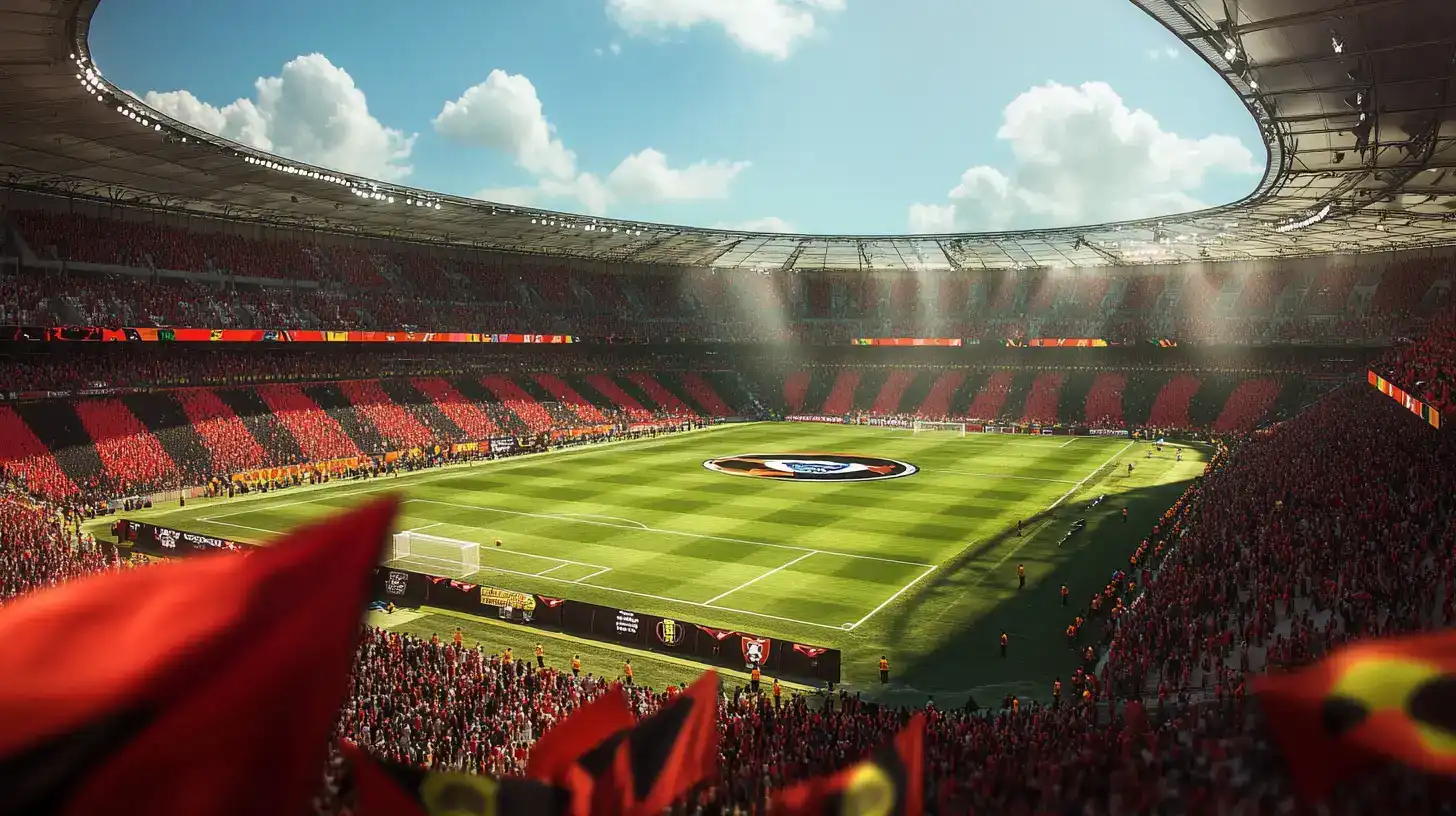
Official lineups are usually announced close to kickoff; until then, news about injuries, suspensions, or workload management should be treated as subject to confirmation. An absence can affect more than the list of starters: it may move a fullback, change a defensive midfielder’s role, or reduce the options for speeding up the game in the second half. In our previews, the goal is to explain these possible effects without presenting speculation as medical fact or as a decision that has already been made.
It is also important to distinguish a confirmed absence from a doubt. Club announcements, information from the organizers, and the official team sheet are more reliable references than isolated rumors. If an important player is being assessed, the editorial question is how the team might compensate for their role: with a player of similar characteristics, a more compact formation, or greater involvement from the wingers. The answer depends on the coach’s plan and the opponent’s profile, so it should be described as a scenario, not a certainty.
In rivalry matches, emotional and disciplinary management carries greater weight. The crowd’s pressure can raise the intensity, but it also calls for more careful decisions in challenges and transitions. Set pieces deserve special attention, especially when teams have good takers or a strong physical presence in the box. Watch who protects the edge of the area, how the defense marks the far post, and whether players are ready for the second ball. These details help explain the shape of the match without relying on a predicted score.
The Paulista schedule may require rotation, especially when a team has state and national commitments. Accumulated minutes, the interval between matches, and travel help put selection choices in context, but do not justify automatic conclusions about fatigue. A deep squad may maintain intensity through changes; another team may preserve a familiar structure to avoid losing coordination. To assess the decision, follow how roles are distributed and the team’s ability to press after substitutions, as well as the names of the starters.
Squad news also affects how the bench should be read. A fast substitute may provide depth against a high defensive line; a short-passing midfielder may help control the tempo when the team is ahead. Thus, the list of players called up is part of the preview, not merely an add-on. We update the context when relevant information becomes available, but recommend confirming any last-minute changes through the official channels of the clubs and competition.
History, rivalries, and signs that help interpret the match
Head-to-head history is useful when treated as a reference, not a prophecy. Rivalries between São Paulo clubs can carry memories of decisive matches, regional contests, and styles that recur over time, but the current squad may be quite different. Rather than repeating scores unnecessarily, a responsible preview highlights verifiable trends: how often matches are closely contested, the importance of set pieces, or a team's difficulty playing out under pressure. If historical figures are cited, they should specify the competition and time period.
When following a derby, first observe how each side tries to control the midfield. One team may look for patient circulation to draw out the defense; the other may press the initial build-up and move quickly when it wins the ball back. The duel between wingers and full-backs can also create space for crosses or runs into the box. During the match, changes in positioning after halftime can help show whether the coach is correcting a numerical disadvantage in a particular area or trying to protect territorial advantage.
The table context adds meaning, but should not replace analysis of the football. Position can influence the level of risk a team is willing to take, especially in short phases, while qualification criteria and postponed matches require attention. Always check the latest information before interpreting a race for a place. If the page indicates a trend, read it as a description of observed performance, not a promise of what will happen in the next meeting.
The same care applies to possession, shots, and passing sequences. High possession does not necessarily mean dangerous dominance; the location of actions and the quality of chances are decisive. A team that takes fewer shots may be effective at attacking space, while another may need more presence in the box. New readers can follow the balance between winning the ball back and creating chances; more experienced readers can look at progression, positioning between the lines, and protection against counterattacks.
When the match ends, the analysis continues: compare the initial plan with the changes made, identify when the tempo shifted, and check whether lineup news was confirmed. This review improves understanding of the round and prepares fans for the next fixture. For a complementary view of the schedule, visit tabeladocampeonatopaulista.club and check the available data, always verifying that it was updated for the date you are consulting.
Competitions and clubs to follow this season
The cards below bring together real references from Brazilian and international football to help put the schedule in context for those following the Paulista. Match availability, times, and stages vary throughout the year; check the updated schedule before planning. The descriptions highlight topics for analysis without attributing future results or unconfirmed statistics.

Campeonato Paulista
The state championship combines derbies, regional rivalries, and qualification battles. Follow home and away performance, lineup changes, and the run of fixtures to understand how each team manages the stage.
View previews
Palmeiras
In Palmeiras matches, it is worth watching the pressure after losing the ball, width on the flanks, and the midfielders' involvement in the box. Confirmed lineups help explain rotation and the roles selected.
View previews
Corinthians
Following the team means looking at defensive organization, connections between midfield and attack, and the use of substitutions. In derbies, reading the space between the lines can explain why the game changes tempo.
View previews
São Paulo
São Paulo previews highlight build-up from the back, use of the channels, and balance when the full-backs push forward. Official squad news is essential for putting possible system adjustments in context.
View previews
Santos
When following Santos, watch the speed of transitions, chance creation down the flanks, and the defensive response after losing possession. The team's form should be considered alongside the level of its recent opponents.
View previews
Premier League
The English league offers examples of pressing, tempo, and transitions for comparing playing styles. In each preview, check the run of fixtures and player availability before interpreting recent form.
View previewsData, schedule, and editorial updates
This page does not replace the official schedule or publish a complete table in a static format. The calendar may change due to decisions by the organizers, broadcast adjustments, stadium conditions, or commitments in other competitions. For this reason, the site's match module should be consulted as a dynamic reference: check the date, Brasília time, venue, and round information before following a match. If information is still pending, it should be shown as unconfirmed, not as definitive.
Standings, form, and head-to-head records also depend on the scope used. When comparing teams, confirm whether the data covers only the Campeonato Paulista or all competitions, and whether postponed matches have been included. The phrase a tabela do campeonato paulista can refer to different views; look for the update date and the tie-break criteria provided by the organizer. This care helps avoid comparing figures from different periods or interpreting a provisional position as a final standing.
How we use the data
• Schedule: A reference subject to official changes.
• Form: A run of results considered in the context of opponents and home or away status.
• Squad: Information distinguished as confirmed or probable.
• History: Trends described without fabricating scores or automatically attributing cause.
For those consulting the tabela do Campeonato Paulista sports app or the tabela do Campeonato Paulista app, we recommend checking the update date and comparing the information with official announcements.
Frequently asked questions about previews and following the competition
How should I read the tabela do Campeonato Paulista before a match?
Start with the stage and round, then check the position, matches played, and available qualification criteria. Compare clubs within the same scope and consider pending matches, home advantage, and the schedule. The table organizes the competitive context, but does not predict what will happen on the pitch. Check the update date before drawing conclusions about qualification places or position.
Where can I find the times and today's matches?
Check the match module and confirm that the time is shown in the Brasília time zone. The schedule may change due to decisions by the organizers or broadcast adjustments, so it is worth checking again close to kickoff. If a date is pending, wait for official confirmation rather than treating an editorial estimate as a definitive time.
Is a probable lineup the confirmed formation?
No. A probable lineup is an assessment made before the official announcement and may change due to a coach's decision, fitness, or strategy. A preview should distinguish expectations from confirmation and indicate when an absence has been officially announced. To find out who will start, check the list released by the club or organizers before kickoff.
How can I compare the recent form of two clubs?
Use the same number of matches and, whenever possible, separate home and away games. Also consider the level of the opponents, the competition stage, and the time between fixtures. A short run can reveal a trend, but does not guarantee it will continue. Statistics help frame questions about the game; they should not be treated as a certain prediction.
Does head-to-head history indicate the result of the next match?
No. The record provides context about the rivalry and possible tactical patterns, but the squad...
Customer Support
Online • Here around the clock